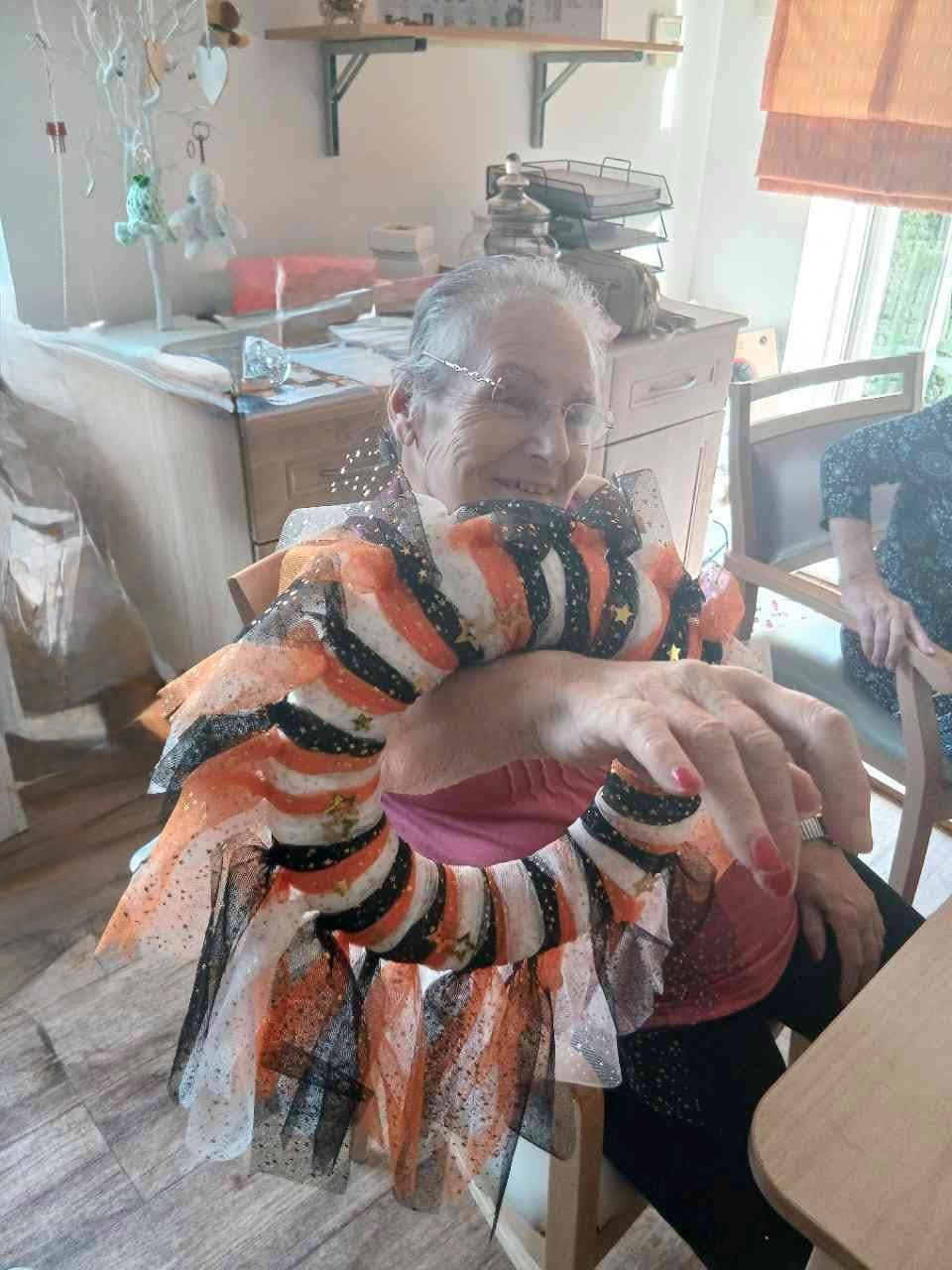
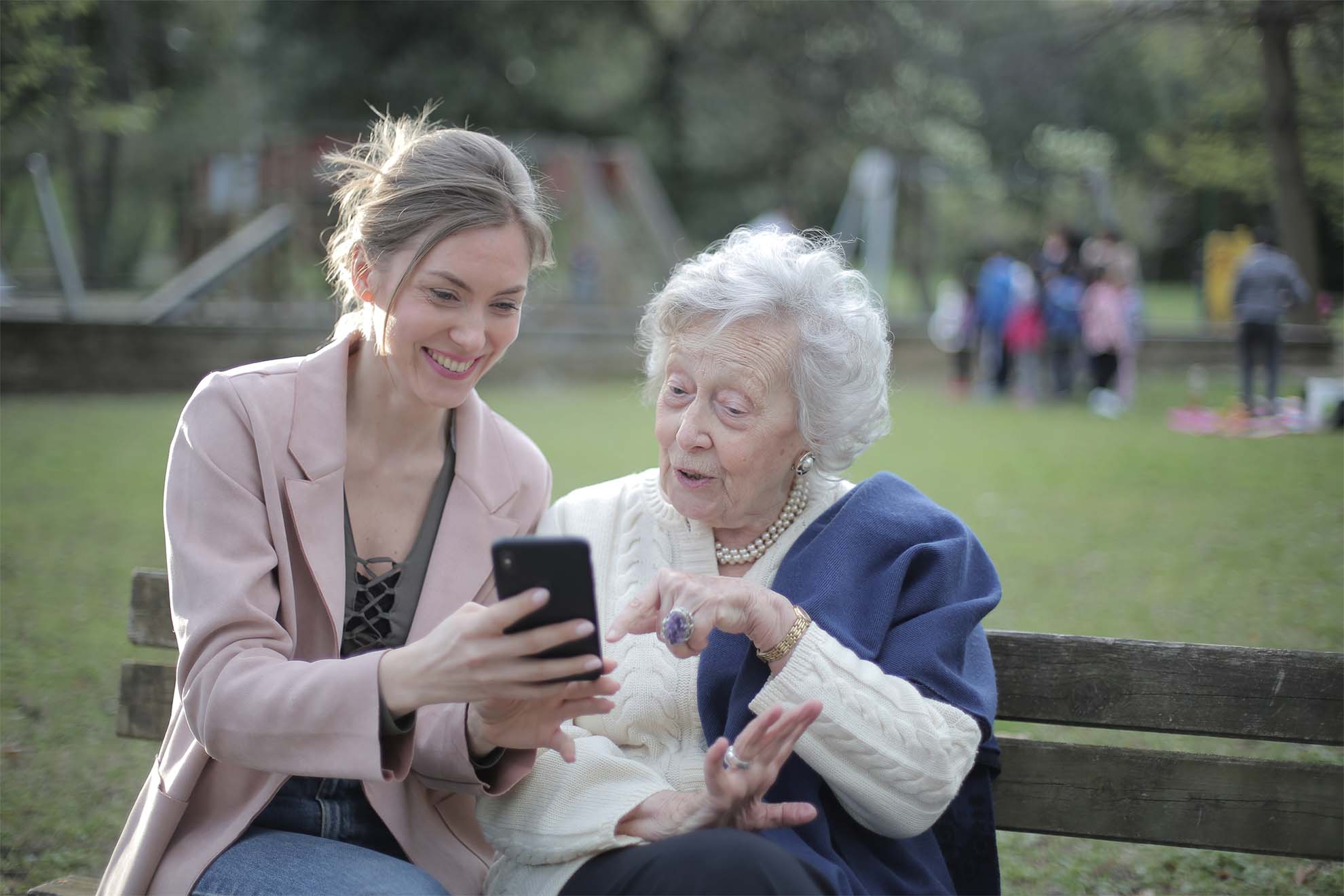
Moving into a care home is one of the biggest decisions a person and their family will make. Whether someone is looking for residential care, nursing care, dementia care or a short respite stay, they want to know that they will be treated as an individual rather than simply another resident.
This is where person-centred care plays such an important role.
You may have heard the term before when researching care homes in Essex, but what does person-centred care actually mean in practice? More importantly, how does it impact daily life for residents?
At its heart, person-centred care is about recognising that every resident is unique. Everyone has their own life story, preferences, routines, interests and goals, and quality care should reflect this.
Looking Beyond Care Needs
While care homes provide essential support with day-to-day living, good care is about much more than meeting physical needs.
Person-centred care focuses on understanding the whole person. This means learning about their background, family, career, hobbies, achievements and the things that bring them happiness and comfort.
For one resident, this might mean enjoying a quiet morning with a newspaper and a cup of tea. For another, it may involve taking part in group activities, socialising with friends or spending time outdoors.
By taking the time to understand what matters most to each individual, care teams can provide support that feels personal, meaningful and respectful.

Supporting Independence Wherever Possible
A common concern when moving into a care home is the fear of losing independence.
In reality, person-centred care aims to support independence rather than take it away. Residents are encouraged to remain involved in decisions about their daily lives and continue doing as much as they comfortably can.
This may include choosing how they spend their day, deciding when they would like to get up in the morning, selecting meals they enjoy or continuing hobbies that have always been important to them.
Maintaining independence can help preserve confidence, dignity and a sense of purpose, all of which contribute to overall wellbeing.
Creating Personalised Care Plans
One of the ways person-centred care is delivered is through personalised care planning.
A care plan is not simply a document that outlines medical needs. It should provide a complete picture of the individual, including their preferences, routines, goals and personal choices.
Care plans are created in partnership with residents and their families whenever possible. They are regularly reviewed to ensure they continue to reflect changing needs and circumstances.
This approach helps ensure that care remains flexible and tailored to the individual throughout their stay.
The Importance of Meaningful Relationships
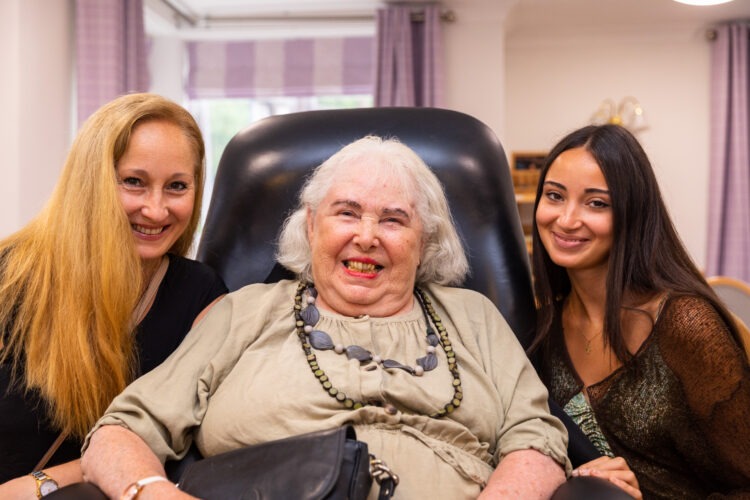
Strong relationships are often at the heart of person-centred care.
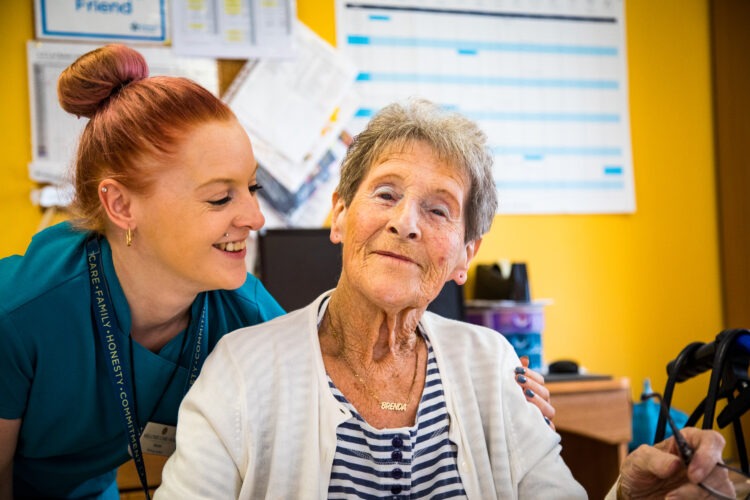
When residents see familiar faces every day and build trusting relationships with care teams, they often feel more comfortable, secure and confident in their surroundings.
Taking time to chat, listen and get to know residents properly can have a significant impact on quality of life. Small details often matter most, whether it is remembering a favourite meal, discussing a cherished hobby or simply understanding how someone likes their daily routine to be organised.
These meaningful connections help transform a care home from a place where support is provided into a place where people feel valued and understood.
Activities That Reflect Individual Interests
Activities are an important part of care home life, but not everyone enjoys the same things.
Person-centred care means offering opportunities that reflect individual interests rather than expecting everyone to participate in the same activities.
Some residents may enjoy arts and crafts, while others prefer gardening, music, reading groups, gentle exercise classes or social events. Others may simply appreciate one-to-one conversations or quiet time with family.
Providing a variety of opportunities allows residents to continue enjoying the things that matter most to them and helps create a fulfilling daily routine.
Supporting Emotional Wellbeing
Moving into a care home can bring a range of emotions, particularly during the first few weeks.
Person-centred care recognises that emotional wellbeing is just as important as physical health. Care teams take time to understand concerns, offer reassurance and support residents as they adjust to their new environment.
Family members also play an important role during this transition. Maintaining strong family connections and encouraging regular visits helps residents continue feeling connected to the people who matter most.
When residents feel emotionally supported, they are often able to settle more comfortably and enjoy greater confidence in their new surroundings.
Person-Centred Care for Changing Needs
As care needs change over time, person-centred care remains just as important.
Some residents may initially move into a care home for residential care before later requiring nursing support. Others may need additional assistance following an illness or hospital stay.
A personalised approach ensures that support evolves alongside the resident's needs while continuing to respect their preferences, routines and individuality.
This flexibility allows residents and families to feel reassured that care will continue to be tailored to them throughout their journey.
Why Person-Centred Care Matters
At its core, person-centred care is about dignity, respect and individuality.
It recognises that every resident has lived a unique life and deserves care that reflects who they are as a person. Rather than fitting individuals into a standard routine, person-centred care adapts support around their preferences, choices and goals.
For families searching for a care home in Romford or elsewhere in Essex, understanding a home's approach to person-centred care can provide valuable insight into the quality of support residents receive every day.

Person-Centred Care at Willows Care Home
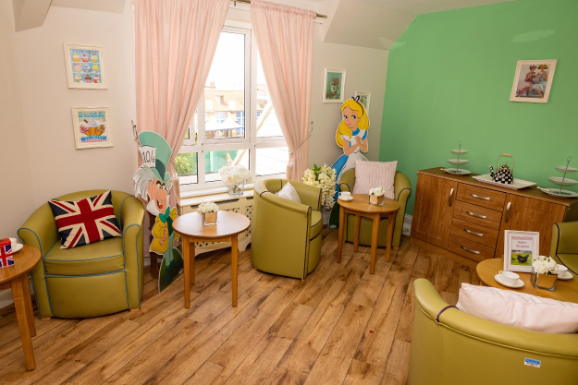
At Willows Care Home, we believe exceptional care starts with getting to know the individual behind the care needs. Our experienced and compassionate team takes the time to understand every resident's preferences, routines, interests and personal story, allowing us to provide truly personalised support.
Whether someone joins us for residential care, nursing care, dementia care or respite care, our focus remains the same: helping every resident feel comfortable, respected, valued and at home.
If you would like to learn more about life at Willows Care Home in Romford, our friendly team would be delighted to answer your questions and arrange a visit.