What Does “Continuum of Care” Mean in Care Homes?
When families begin exploring care homes for a loved one, they often come across the phrase “continuum of care.” While it may sound like a technical term, the idea behind it is actually very simple and incredibly important when planning long-term care.
In care homes, a continuum of care means residents can receive the right level of support as their needs change over time. Rather than moving between different care homes or providers, residents can often remain in a familiar and supportive environment where their care gradually adapts alongside them.
For families researching care for older relatives, understanding the continuum of care model in care homes can provide reassurance that their loved one will continue receiving the right support as their needs evolve.
The Continuum of Care Definition
In simple terms, the continuum of care definition refers to a system where different levels of care are available within the same setting or organisation. This allows residents to move between levels of support without needing to leave the place they now call home.
As people age, their needs can naturally change. Someone may initially require very little assistance but later benefit from additional support with daily routines, mobility or healthcare needs.
A continuum of care ensures that support evolves with the individual, creating a smoother and more comfortable journey through later life. For residents and families, this approach removes uncertainty about what may happen in the future.


Why a Continuum of Care Matters in Care Homes
For many older adults, stability and familiarity are incredibly important. Moving to a new environment can feel unsettling, particularly if it happens multiple times as care needs increase.
A continuum of care for the elderly helps avoid this situation by allowing residents to remain within the same supportive community while their care plan changes.
This continuity can have several benefits. Residents are able to build relationships with staff and other residents, maintain their routines and feel settled in their surroundings. Over time, these familiar connections often become an important part of emotional wellbeing and quality of life.
Families also gain peace of mind knowing that their loved one will not necessarily have to move again if their care needs increase.
Different Levels of Care Within a Continuum
While every care home is different, the continuum of care model typically includes several levels of support designed to meet a wide range of needs.
For many residents, the journey may begin with residential care, where staff provide help with daily routines such as dressing, personal care, medication management and meals.
Over time, a resident may require nursing care, where trained nurses provide additional medical support alongside everyday assistance.
Some residents may also benefit from dementia care, where specialised support and tailored environments help individuals living with Alzheimer’s disease or other memory-related conditions.
Short-term options such as respite care can also form part of the continuum, providing temporary support for individuals recovering from illness or giving family carers a well-earned break.
Having these different levels of care available ensures that support can evolve naturally as needs change.

Supporting Independence Along the Way
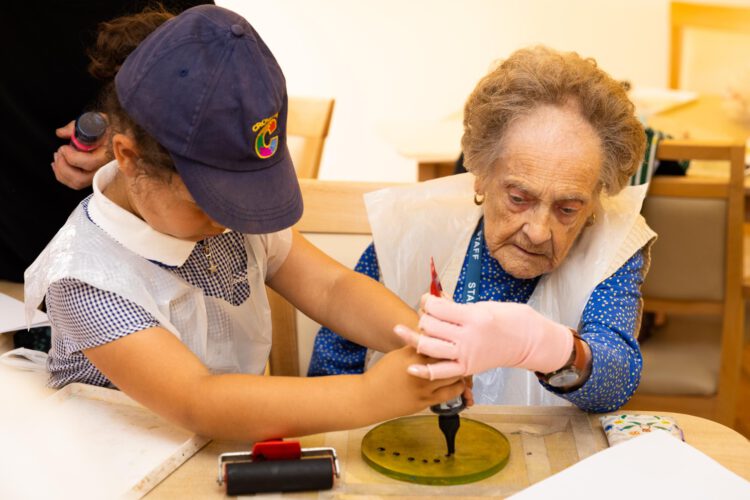
An important part of the continuum of care model is encouraging independence wherever possible. The goal is not simply to provide assistance but to support residents in living fulfilling and meaningful lives.
Care teams take time to understand each resident’s routines, preferences and interests. This helps ensure residents remain involved in activities they enjoy, maintain social connections and continue making everyday choices about their lives.
By focusing on independence as well as care, residents are able to maintain confidence and a sense of purpose as they grow older.
Personalised Care as Needs Change
One of the most valuable aspects of a continuum of care is the ability to adapt care plans over time.
As residents’ health or mobility changes, their support can be adjusted without disrupting their daily life. This may involve additional help with personal care, increased medical support or specialised dementia care services.
Care teams regularly review each resident’s care plan to ensure the support provided remains appropriate and responsive to their needs.
This flexible approach helps ensure residents always receive the right level of care while continuing to feel comfortable in their home environment.
Peace of Mind for Families
Choosing a care home is a significant decision for families, and many people naturally worry about what might happen if their loved one’s needs change in the future.
A continuum of care offers reassurance because families know their relative can continue receiving appropriate support without needing to relocate again. Remaining in a familiar environment can also reduce stress and confusion for residents, particularly those living with memory conditions.
Knowing that care will evolve alongside their loved one’s needs can make the decision feel far less daunting.
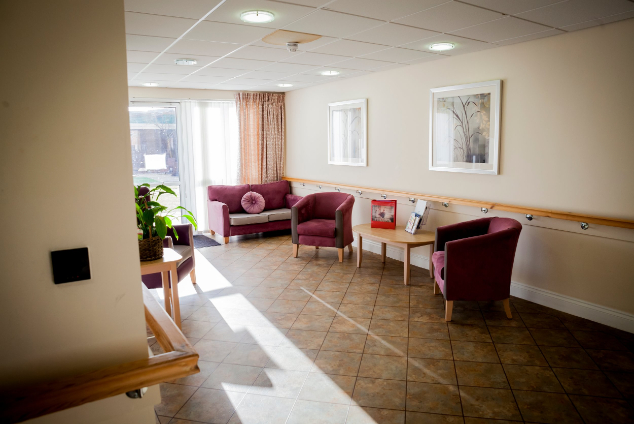
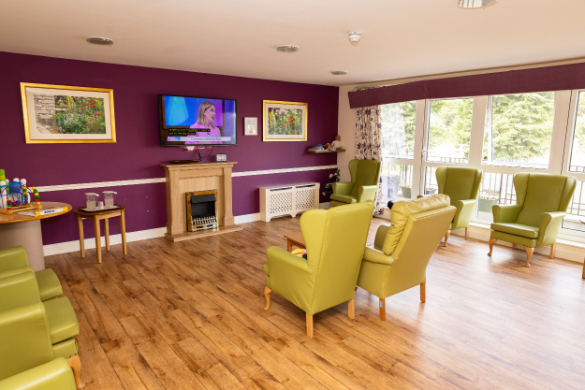
Continuum of Care at Willows Care Home in Romford
At Willows Care Home, we understand how important it is for residents and their families to feel confident about the future.
Our dedicated team provides compassionate and personalised support within a welcoming environment where residents feel comfortable and valued. By focusing on individual care plans and adapting support as needs change, we help residents maintain their independence while ensuring they always receive the right level of care.
If you are exploring care options for a loved one and would like to learn more about how a continuum of care supports long-term wellbeing, get in touch with our friendly team at Willows Care Home in Romford today to learn more or arrange a visit.